Tribute # 5: Anne Conley

Anne Conley

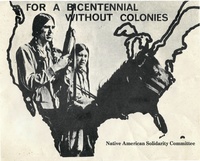
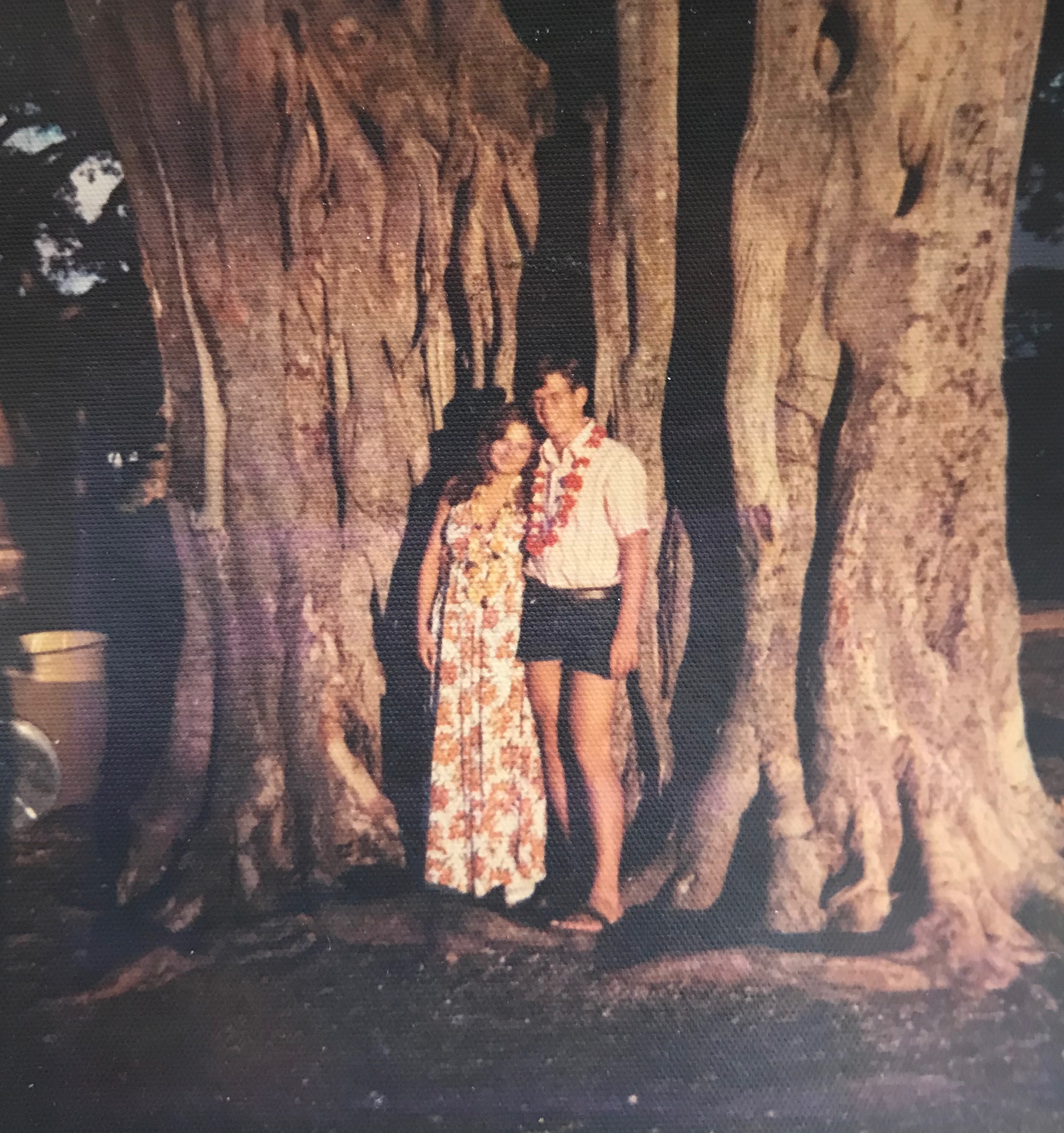
       In 1976 Pat DeCarlo (see Tribute before) helped organize an alternative celebration of the country’s founding called “A Bi-Centennial Without Colonies.”  My role was getting hot meals from a local Philadelphia food co-op to those getting off buses coming from all over the country the early morning of July 4, 1976.  One of the buses was from Minnesota and on the bus was Anne Conley, my college friend Rocky’s sister.  We’d met at Rocky’s wedding – she recently divorced.  I was a perfect guy not to get too serious about and we struck-up a once-a-year romance.

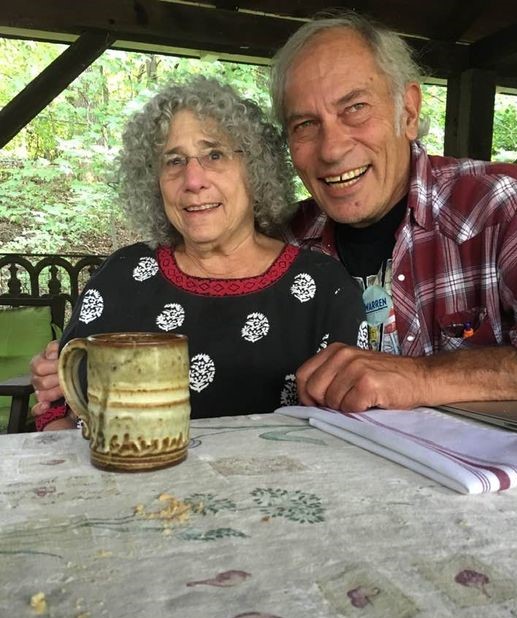
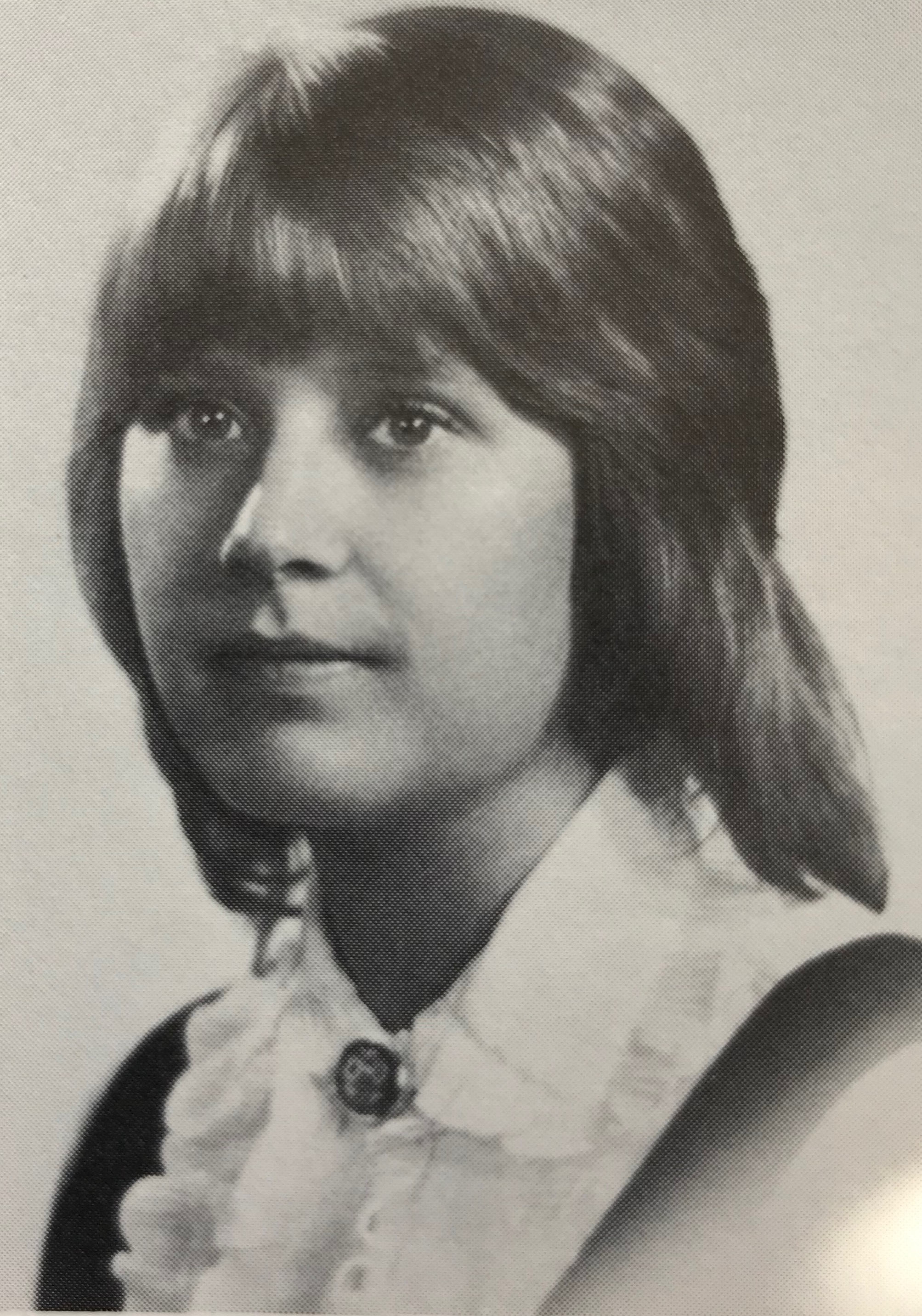
Annie Conley

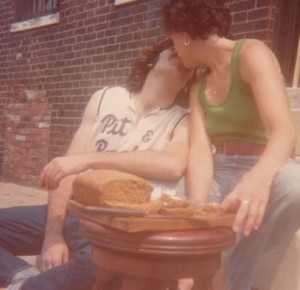
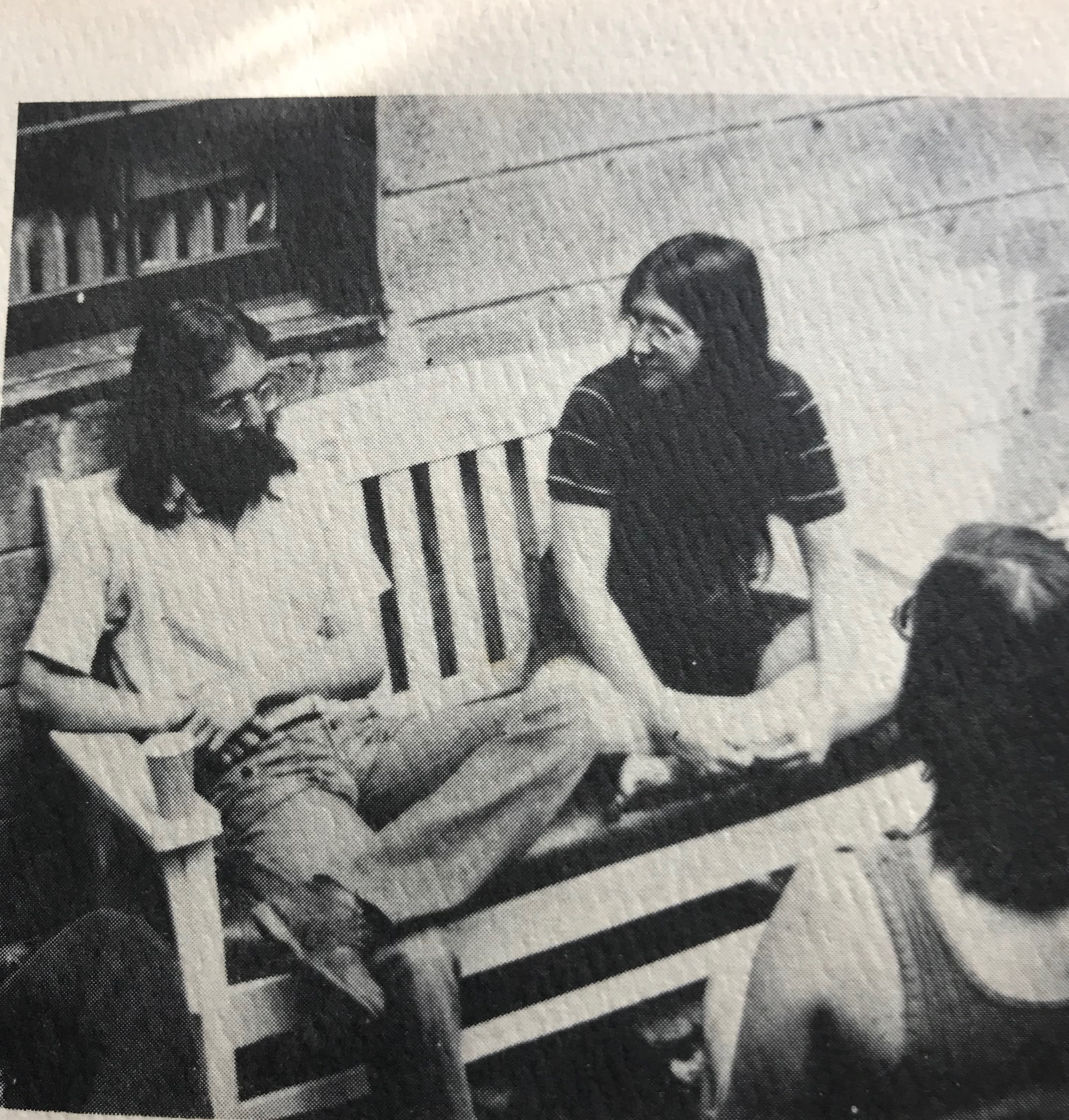
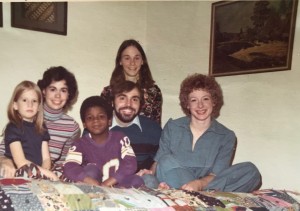
For a picture of Anne’s face, go to Rocky Tribute supra.  (Note my Pit & Paddock jersey – any readers have a story about that St. Paul bar?)

Remember, in an earlier Tribute, I credit Rocky with teaching me “what is fun.”  Same with Anne, but fun in a wonderful new way, steering my life to enjoying being good in bed.  Seriously, at age 26 I’d never really known a woman that I couldn’t wait to see again.  More than great sex, we liked the same books, the same music, the same jokes.  Come on bus, get here!

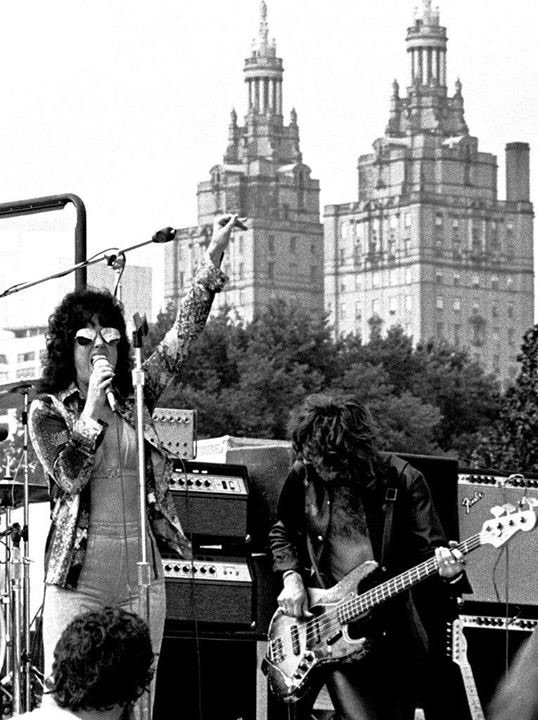
After spending the morning of July 4 in Fairmount Park listening to speeches, we walked to the Delaware River and that afternoon flew on the first-ever sea plane from the Liberty Bell to the Statue of Liberty.  Lucked into a free Starship concert in Central Park.  Met some folks who drove us to Boston to see the Tall Ships. Hitchhiked to the Olympics in Montreal.  Caught a train back to Thunder Bay and then a ride back to the Cities.  What a trip!

Starship in Central park

                       caption: Jefferson Starship July 4, 1976, Central Park, NYC

So yah, I stayed with Anne in her house a couple weeks before going back to Philly.  She even had a waterbed.  Our community-minded politics matched too – Anne was the Director of the Lex-Ham Community Council.

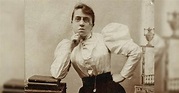
During those two weeks, I hung out with my old college friends as well, and caught the “I-think-I-Might-Want-to-Move-Back-to-Minnestoa-Bug.”  Thank you Anne for all that!  There’s more to life than just organizing  – the old Emma Goldman saying, “If I can’t dance, I don’t want to be part of your revolution.”  But it took until April,1979, before I actually moved back.  Anne and I continued our off-and-on friendship over the years, her knowing I was not the marrying-type.Emma Goldman

caption:  Emma Goldman

Tribute #4: Pat DeCarlo


Pat DeCarlo

    DeCarlo - Copy Pat DeCarlo, in 1974, was the brand-new Managing Attorney at Camden Regional Legal Services’ Bridgeton, NJ office, the first woman of Puerto Rican descent to graduate from the Univ. of Pennsylvania Law School, and a classmate of Ira’s.  (See Tribute before.)

Before I got a job working with Pat, she observed that all the secretaries and paralegals were African-American or Puerto Rican and all the lawyers, except her, white.  The vast majority of clients were also not white.  Given the high demand for legal services, Pat thought all the staff, not just the lawyers, should decide which cases to take, and which to turn away, and so she organized the staff into a steering committee.  A majority of the committee wanted the white lawyers to quit spending so much time on high-profile cases*, and more time dealing with cases affecting people’s daily lives, like not getting evicted.  The lawyers, not liking being told what to do, quit, and I was one of the first replacements – thanks to Ira’s recommendation.

*At that time the Mount Laurel case was on its way to the New Jersey Supreme Court arguing that lily-white suburbs, like Cherry Hill, NJ, had to take on their fair share of affordable housing.  But the secretaries and paralegals said, “We don’t want to get dispersed to the suburbs.  We like our concentrated political power.”  The lawyers who left the office formed a non-profit firm that successfully argued the case, which became a national precedent.  Good for them.

As a steering committee, now with me on as well, we dealt with the problem of having more clients than we could handle.  We decided to prioritize the landlord/tenant cases for those in the local tenants’ union, and prioritize welfare fair hearings for those who joined the national Welfare Rights Organization.

bridgeton

280px-Cumberland_County_Courthouse_NJ

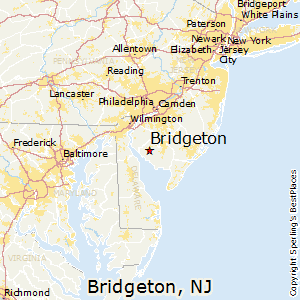
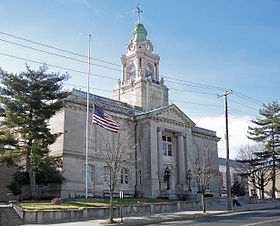
captions:  Bridgeton, NJ is literally and figuratively below the Mason-Dixon Line  with “Whites Only” signs into the late 60’s.  That’s the Courthouse where I tried my first cases and the one where Pat was held in contempt for wearing a pants suit.

Helping poor folks organize led to many positive changes – better state-wide landlord/tenant laws, how the local welfare boards conducted fair hearings, and, eventually, electing the first Black, Pauline Boykin, to the Bridgeton School Board.  Thank you Pat DeCarlo for showing me how important it is to involve the people in dealing with systemic injustices, how to think about the law as part and parcel of organizing, how to be much more than just a lawyer helping one client at a time.

Ronald Reagan was later elected President, and our tiny little legal services office became Exhibit A in his successful quest to limit what federally funded legal services offices can do.  Pat (still a life-long friend) left legal services and helped organize the highly successful Norris Square Civic Assn. in a down-trodden part of Philadelphia, getting folks into jobs, home ownership and civic engagement.  Reagan’s limiting legal services for the poor to just doing “band-aid cases” led to privately funded legal services advocacy projects across the nation.Bicentennial

caption:  In 1976 Pat helped organize the “Bicentennial without Colonies” alternative celebration in Philadelphia.  Read more about that in the Anne Conley chapter coming next.

Tribute # 3: Judy, Lance & Ira


                                                               Judy, Lance & Ira

I started law school in the fall of 1973 – night law school – with all sorts of classmates in suits coming from day jobs in the business world.  Opening night a retired judge welcomed us to Temple, his alma mater, and ended telling us don’t forget to laugh once in a while, saying:

“There was a guard and an inmate on death row.  Year after year, appeal after appeal, they got to be good friends.   Finally, after all appeals were exhausted, he had to be the executioner too.  Walking to the electric chair, he didn’t know what to say to his good friend.  As he pulled the switch, he said ‘More power to you!’”

Everybody but me laughed.  Law school!  But it was through law school I met Judy and Ira.

Chomsky editedJudy Chomsky was the Temple Chapter President of the National Lawyers Guild (NLG), an organization founded in the 1930s when the Bar Association wouldn’t admit Blacks. I liked their motto: “Human Rights Before Property Rights.”  Judy arranged for Bill Kuntsler to speak at Temple.  Kuntsler, famous for his work on the Chicago Seven trial, was in the midst of the Wounded Knee trial back in Saint Paul, as part of the defense team.  Bill told me to read his book, The Case for Courage.

Judy, later, joined Kuntsler at the Center for Constitutional Rights as an international human rights lawyer.  Years later, back in Saint Paul, others on that Wounded Knee defense team, members of the NLG, helped steer me to becoming a Movement lawyer.  Judy is still a good friend – as evidenced by how old we look look in the photo above.  Thanks Judy and Bill for all those connections.american indian movement

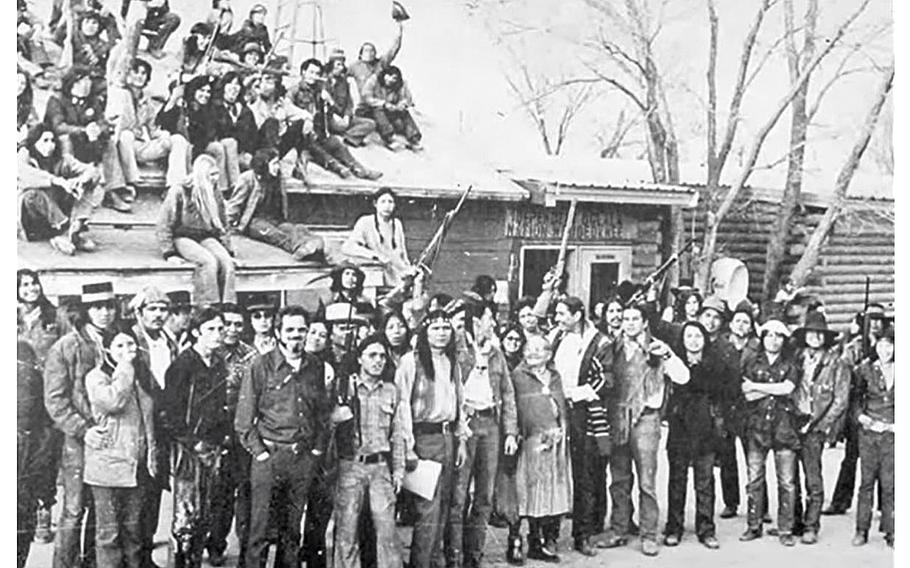
captions:  Top:  The 1973 Wounded Knee Occupation which resulted in criminal conspiracy charges against Minneapolis AIM Members Russell Means and Dennis Banks.  The subsequent trial defense included Saint Paul attorney Ken Tilsen, who became a mentor to me, as well as Diane Wiley and Susie MacPherson, founders of the National Jury Project (NJP), both still life-long friends.

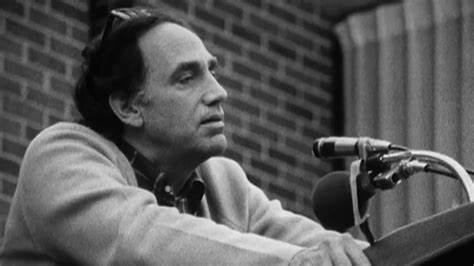
Bottom:  Kuntsler, my hero, speaking at Temple Law School in 1973.  A year later the NLG and NJP succeeded in getting the charges dismissed.

________________________________________________________________________

While in night law school, working the streets during the days and on weekends, my fellow streetworker, Lance Hoch, proposed we write a grant proposal to the National Institute of Mental Health (NIMH) to expand street work in Philadelphia to neighborhoods with kids hanging on corners, huffing glue down by the train yards instead of going to school.  After we got the money, and started in, Voyage House got a new Executive Director who thought there was a better way to spend the NIMH money.  Lance decided to resign in protest, and his being such a good friend, I did too.  Thanks, Lance, for getting me to be a cab driver!  LOL.  But it was through cab driving that I met Ira Katz.

Hard to believe that driving a cab could be viewed as part of The Movement, but yes, looking back at the Compendium, lots of stories dealt with class issues and labor organizing.  Sure enough, the Teamsters had just settled a new contract, one with lots of added benefits for retirees and very little for active drivers, due mostly to the increasing number of college kids driving a cab (like me) and the decreasing number planning on cab driving as a life-long job.  But one of the active drivers was angry about the settlement.  His dad had been a cab driver his whole life, and he was planning on a similar career.  His name was Sal, and he’s another friend who steered me in a life-changing direction whose last name I can’t recall.  Sal says to me, “Hey, you’re in law school, what do you know about labor law?”

Not enough, I thought, but I figured Judy with the NLG might have some ideas.  Judy said to call Ira Katz, an NLG member and local labor lawyer.  Sure enough, Ira schooled me in basic labor law and said, “It all comes down to organizing.  Find enough drivers who want a stronger union, and I’ll be their lawyer.”  Pretty soon Sal and I had a dozen drivers meeting regularly in a church basement on Sunday nights, usually with Ira too.  The organizing effort did not end successfully*, but Ira and I became good friends – and to this day I have to thank Ira for steering me to a most significant life-changing friend, Patricia DeCarlo – see next chapter.  (Ira, don’t know what you ended up doing with the rest of your life, but I’m sure it included being a lawyer for the people.)

*Here’s what happened to our organizing effort: Sal and I would go out for beers after the meetings.  One night we got to talking about doing acid.  Though he was solid blue collar working class, with no distinguishable counter-culture characteristics, he claimed to be an experienced acid head and asked if I knew where to get some.  This led to the last acid trip of my life.  You can read the full story titled “The Broad Street Scene” by clicking <Here> or finding it in the Archives.   [second dose of Verboten List]

Suffice for here, Sal and I ended up at midnight at the corner of Broad and Walnut, the busiest cab-stand in town, lost!  For two hours all we could do is wave at the drivers waving at us (lots of drivers knew Sal or his dad).  Every time we tried to walk away on Broad, the scene looked like Walnut.  Every time we tried walking down Walnut (to get off the corner), we thought we were on Broad, and all we could do was pull ourselves along the sides of the buildings and make it back to the corner.

Tribute # 2: Voyage House Gang

Jim Littrell and the Voyage House Gang

        Finding a niche in The Movement in the summer of 1972 was a 9,000-mile journey from Saint Paul, MN to Strawberry Lake, CO, to Miami Beach FLA, back west to Berkeley, CA, and finally east to Philadelphia, PA where I met the Voyage House gang, and was steered towards productivism inside The Movement – rather than radicalism and violence.  Years later, my friend Sara Olson explained how easy it was to get caught-up in the SLA, a radical organization committed to the violent overthrow of capitalism.  But for the grace of God, I didn’t meet Bill and Emily Harris (SLA’ers) doing their prison reform work while in California that summer of 1972.  I might have joined in.

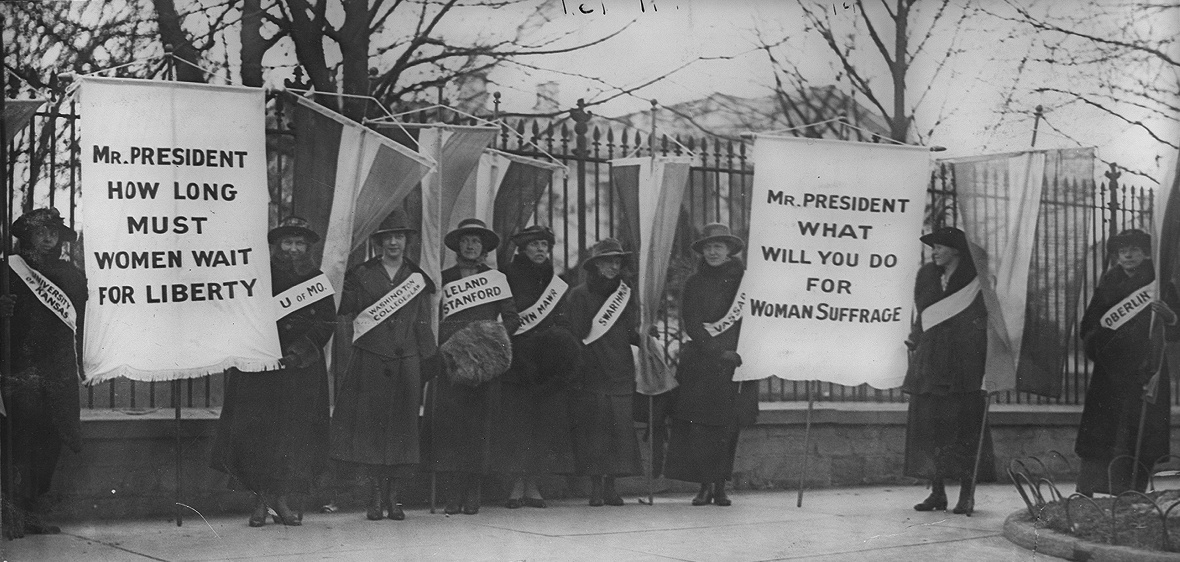
How easy it might have been is told in a four act play I wrote, with some fact and some fiction, about Sara’s story.   I recommend waiting to read that later.   It’s titled “A Complex Apology” and can be found in the Archives.  The point of the play is to show how the person you are in your 20s is not always the person you become.  In Sara’s case, while underground, she spoke from the well of the Minnesota House dressed as Susan B. Anthony on the 75th anniversary of women getting the right to vote, and to this day continues to do good work on prison reform.Women_suffragists_picketing_in_front_of_the_White_house
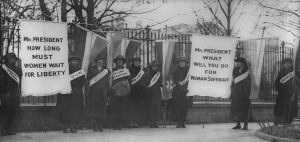
caption:  what Sara dressed like speaking to the Minnesota Legislature

All senior year of college I spent most days reading from the Compendium and could hardly wait to graduate and join The Movement.  On commencement day I led the procession with a sign on one side “Blue is the Smoke of War, White the Bones of Men, and Red the Time to Stop” and the other side: “They Also Die Who Stand & Watch.”  The next day I headed to California on a motorcycle with enough money to last three months.  Picked up a hitchhiker in Estes Park, Colorado, who asked, “You going to the festival?”

And that’s how I ended up at the first ever Rainbow Family Gathering, quickly getting high on acid (thanks to the fellow walking around with a jug of water saying, “Just a little sip – it’s electric.”).  Like a ton of bricks, it hit me: I was in the midst of a drop-out culture! (i.e., not The Movement.)  Without even a quick dip with the others, nude, in Strawberry Lake, I told my hitchhiking buddy I was turning my bike around and heading to Miami Beach for the Democrat and Republican National Conventions.

russian-rainbow-family-gathering-19249738                                caption: nude swimmers in Strawberry Lake

I ditched the motorcycle at my parent’s house in Philadelphia, and with my sister, Murph, we got a ride to the Florida conventions with John Froines, her professor at Goddard College, and of Chicago Seven fame. Although the crowd protesting conventional politics was definitely less “drop-outish” than the one at Strawberry Lake, it didn’t seem very productive, so Murph and I took off hitchhiking for California.  Along the way we came close to death meeting-up with some rednecks in Chattanooga.  (Full story titled “Can I Take Your Girl for a Spin?” can be found in the Archives or by clicking <Here>.)

 Arriving in Berkeley, I picked up a copy of The Movement book, Vocations for Social Change, and read about Voyage House, a place in Philadelphia hiring streetworkers.  Using my last dollars I bought a one-way Amtrak ticket to Philadelphia.VH - Brochure
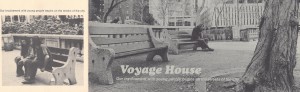
Jim Littrell was an Episcopal minister in Philadelphia and the founder of Voyage House, a counseling and drop-in center for run-away and “throw-away” youth.  He hired me to be his first “streetworker” in the fall of 1972 – my first job out of college.  In addition to the storefront drop-in center (a block from Rittenhouse Square where throw-away youth hung-out along with the pimps, the drug dealers – and now me too), Voyage House had crash-pads, long-term group homes for court placements and an alternative high school.  These folks, who did the counseling, the foster parenting and the teaching, were my first post-college friends, and showed me how to make a living, amongst people you liked, doing good in the world.  Thanks, you guys – Jim Littrell, Lance Hoch, Mary Pennington, Russell Lynch, et al.

P.S. I lost track of Jim Littrell after he returned to Buffalo to be a priest, and Lance Hoch after he moved to Australia – hope this finds them well.  Mary and Russell and I had a re-union the fall of 2022 in Athens, Georgia, where Russell is the curator of the Harriet Tubman Museum.
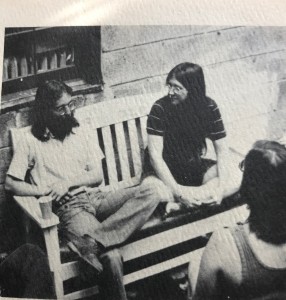
IMG_2901

caption:  Lance Hoch, with beard, Lee & Gary (some of the Gang)

On meager incomes, many of the Voyage House staff lived in semi-communal settings sharing overhead and meals together with others in The Movement.  One housemate, Tom ______, was a graduate of Saul Alinsky’s community organizing school, in town organizing a senior federation.  It was exciting thinking about going to organizing school, but Tom steered me to law school, saying, “The Movement needs more good lawyers.  You already know everything to know about organizing.”  Tom, you might not remember me, I might not remember your last name, but I remember you!
Tribute # 1: Margie, Rocky & David

Margie, Rocky & David 

(The first in a series of 20 chapters tributing my friends)

All through my college years it was the constancy of summers off and then back to school; and – if she ever reads this – Marjorie Stennes is going to be surprised she is the first “steerer” in my adult life.

It was the first week of senior year at Hamline Univ., 1971, and Margie gave me a copy of the Compendium entitled “The Movement Toward a New America,” 752 pages of photos and stories about 1960s political activism across America.  (Fifty-two years later it still has a prominent place on my bookshelf.) 

Having realized that I was never going to have another summer off and then back to school, that compendium steered me to what I wanted to do with my life – join The Movement.  You knew me well – Thank you, Margie!IMG_2906

Before finding my way into The Movement, two other college friends have to be mentioned.  RockyBarfuss was a sophomore, a party animal, and a member of the TKE frat house – just the kind of person I told my parents I would try to avoid while turning over a new leaf in college.  My second week as a Hamline freshman, Rocky showed-up at my dorm to recruit for the fraternity and invited me to go with him to Project Give-a-Damn, a fraternity-sponsored tutoring program in the Frogtown neighborhood of Saint Paul.  Rocky became a life-long friend and showed me all sorts of ways to have fun and still give a damn.  Frogtown eventually became my life-long neighborhood and the area I represented in the state legislature.IMG_2923

caption:  Rocky & Family – Rocky in the middle; wife Nancy to his left; sister Anne & her 2 kids to his right; sister Gail behind him.  Rocky, Nancy, Anne and Gail all died young.

      David Ilse was another TKE, another all-American guy – still is, always has been.  Years later, once I returned to Minnesota to be a lawyer and he was working full-time in child protection, he co-signed for my first car when I didn’t have any credit.  Dave and his wife Sherokee retired to Tucson, AZ, but we catch up every now and then.

Back to the last day of summer vacation before the start of senior year, a really hot day.  On the spur of the moment, David and I decided to go on a motorcycle trip for a dip in Lake Superior’s cold waters.  That’s 150 miles one way.  Thought we found a private spot behind a sand dune, stripped, raced to the water, jumped in, but . . . once in the water, discovered it was a crowded beach!  Had to wade back in, chagrinned.  Just a one minute dip and we were headed back to Saint Paul.

For me, it was quite a “trip.”  On the way home, it dawned on me this was the last day my life was going to be one of “back-to-school-in-the-fall,” and hence the importance of Margie’s gift of the Compendium a few days later.IMG_2922

caption:  David & Sherokee on their honeymoon.